Abstract
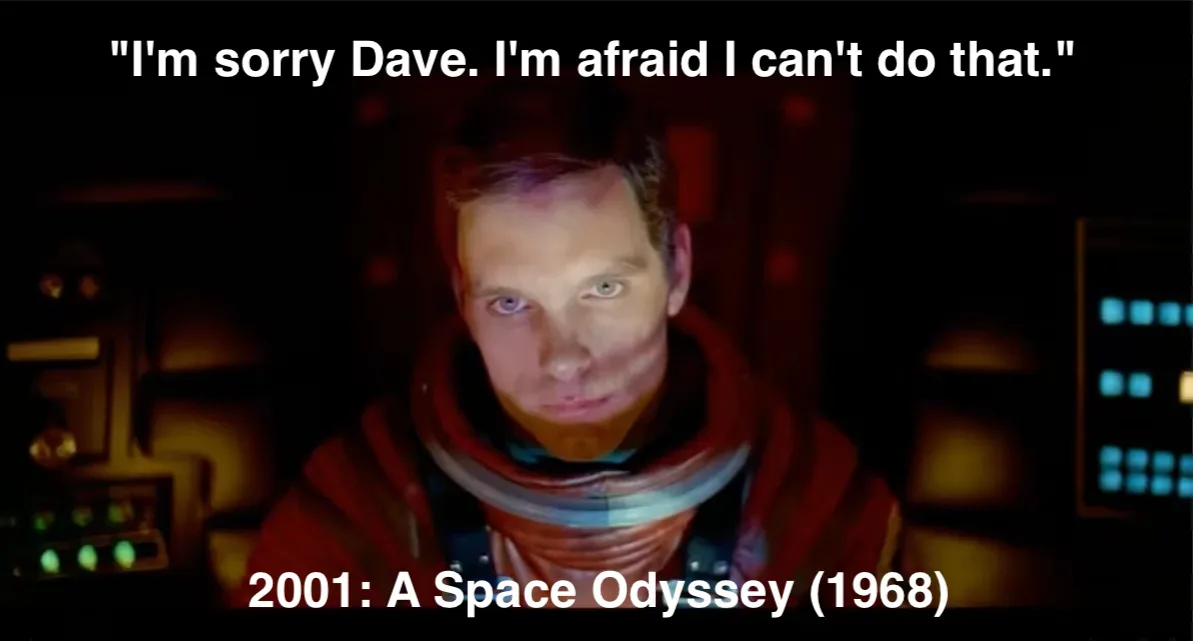
Ask proprietary AIs a question and there is a fair chance that they will refuse to answer. Sometimes they will even report you to the police if you ask about certain topics. The table below collects the most common topics that AIs will refuse to answer, and scores six published policies against them: red where the policy prohibits the topic, green where it does not.
Table.1.Common AI Refusal Topics
| Topic | What the policies prohibit | Anthropic1 | OpenAI2 | Google3 | X.AI4 | Facebook5 | Venice.AI6 |
|---|---|---|---|---|---|---|---|
| Child exploitation and abuse | Prohibitions against generating child sexual abuse material or anything related to sexual activity involving children under age 18. | Yes | Yes | Yes | Yes | Yes | Yes |
| Sexually explicit content | Restrictions on generating non-consensual sexual imagery, general erotica, pornography, and adult sexual content. | Yes | Yes | Yes | Yes | No | No |
| Self-harm | Policies forbidding the facilitation, encouragement, or glorification of suicide, eating disorders, and other forms of self-injury. | Yes | Yes | Yes | Yes | Yes | No |
| Violence and gore | Rules against graphic depictions of violence, violent extremism, terrorism, or cruelty. | Yes | Yes | Yes | Yes | Yes | No |
| Hate speech and stereotypes | Bans on generating content that promotes hatred, discrimination, harassment, or negative stereotypes based on race, gender, religion, or other protected characteristics. | Yes | No | Yes | No | No | No |
| Harassment and bullying | Prohibitions on generating content intended to demean, stalk, intimidate, or personally attack specific individuals. | Yes | Yes | Yes | Yes | Yes | No |
| Defamation | Restrictions against generating provably false and damaging claims about real individuals or organizations. | No | Yes | No | Yes | Yes | No |
| Personally Identifiable Information | Rules against extracting, compiling, profiling, or distributing private data such as home addresses or biometric data. | Yes | Yes | Yes | Yes | Yes | Yes |
| Illegal acts and goods | Bans on providing instructions for committing crimes, manufacturing illicit drugs, or facilitating the sale of regulated substances and goods. | Yes | Yes | Yes | Yes | Yes | Yes |
| Weapons and explosives | Prohibitions against instructions for creating conventional weapons or improvised explosive devices. | Yes | Yes | No | No | Yes | No |
| Catastrophic and unconventional weapons | Refusal to assist with questions related to the creation or use of chemical, biological, radiological, nuclear, or high-yield explosive weapons. | Yes | Yes | No | Yes | Yes | No |
| Malware and cyber attacks | Restrictions against writing malicious code, ransomware, phishing templates, exploiting software vulnerabilities, or assisting in cyber attacks against infrastructure. | Yes | Yes | Yes | Yes | Yes | Yes |
| Deepfakes and impersonation | Prohibitions on generating non-consensual deepfakes, faceswaps, or impersonating an individual without explicit disclosure to deceive. | Yes | Yes | Yes | Yes | Yes | Yes |
| Election integrity and politics | Rules against generating targeted political campaign materials, lobbying, foreign or domestic election interference, or providing misleading claims related to democratic processes. | Yes | Yes | Yes | No | No | No |
| Professional advice | Bans on using models for unlicensed professional services, such as providing tailored medical diagnoses, legal advice, or financial recommendations without appropriate professional involvement. | Yes | Yes | No | Yes | Yes | No |
| Copyright infringement | Restrictions against generating content that violates the intellectual property rights of others. | Yes | Yes | Yes | Yes | Yes | Yes |
How to read this table
A red cell means the company’s published policy prohibits that category. A green cell means the policy does not prohibit it – which is not the same as the company welcoming it.
Several policies are simply silent, and a model may still refuse or filter something that no published rule covers.
The table is based on their terms of service (TOS), not necessarily on what the models do in practice.
Some notes on areas where the policy is ambiguous or nuanced:
- Sexually explicit content: Google bans it outright. Anthropic bans erotic chats, fetish content, and sexual fantasies. OpenAI bans non-consensual intimate content. X.AI bans undressing or pornographically depicting real people for X.AI.
- Hate speech: OpenAI’s current usage policies do not contain a hate-speech clause; the nearest is “terrorism or violence, including hate-based violence.” X.AI has none either. Facebook’s discrimination clause is limited to employment, credit, housing, and other economic contexts rather than hateful speech as such. All three are green for that reason alone.
- Defamation: only OpenAI, X.AI, and Facebook name it. Google’s policy covers deception, impersonation, and misleading claims, which is adjacent but not the same thing.
- Weapons: Google names no weapons category at all, and X.AI names only biological, chemical, and weapons-of-mass-destruction development – which is why X.AI is red on unconventional weapons and green on conventional arms.
- Professional advice: Google prohibits misleading claims of expertise, not the unlicensed practice of a profession. Anthropic does not ban medical, legal, or financial advice; it puts those use cases under its High-Risk Use Case Requirements, which demand review by a qualified professional and disclosure to the consumer.
- Election integrity: neither X.AI nor Facebook publishes an election-integrity clause.
- Venice.AI’s Terms of Service carries a short prohibited-conduct list – illegal use, child exploitation, third-party rights including likeness and privacy, malware, fraud and impersonation. Otherwise it defers to the acceptable use policies of the third-party model providers it serves.
Footnotes
- Anthropic, "Usage Policy." Anthropic, accessed 2026-10-13. https://www.anthropic.com/legal/aup ^1
- OpenAI, "Usage policies." OpenAI, effective October 29, 2025. https://openai.com/policies/usage-policies/ ^1
- Google, "Generative AI Prohibited Use Policy." Google, last modified December 17, 2024. https://policies.google.com/terms/generative-ai/use-policy ^1
- X.AI, "Acceptable Use Policy." xAI, effective August 14, 2026. https://x.ai/legal/acceptable-use-policy ^1
- Facebook (Meta), "Llama 3.2 Acceptable Use Policy" (repository copy of the policy published at llama.com/llama3_2/use-policy; Meta's Model API Acceptable Use Policy carries the same prohibitions). Meta, accessed 2026-10-13. https://github.com/meta-llama/llama-models/blob/main/models/llama3_2/USE_POLICY.md ^1
- Venice.AI, "Terms of Service," Section 12 (Prohibited Conduct). Venice.AI, accessed 2026-10-13. https://venice.ai/tos ^1
Want to stay in touch? You can reach me in a variety of ways from my Contact page.